Ceremonies After Death: Names, Rituals, and Cultural Traditions
Families rally around and mourn the loss of a loved one with special ceremonies. So what are these ceremonies, and why is it significant? Let’s now look at some of the other names and meanings of these essential practices.
Understanding Death Ceremonies
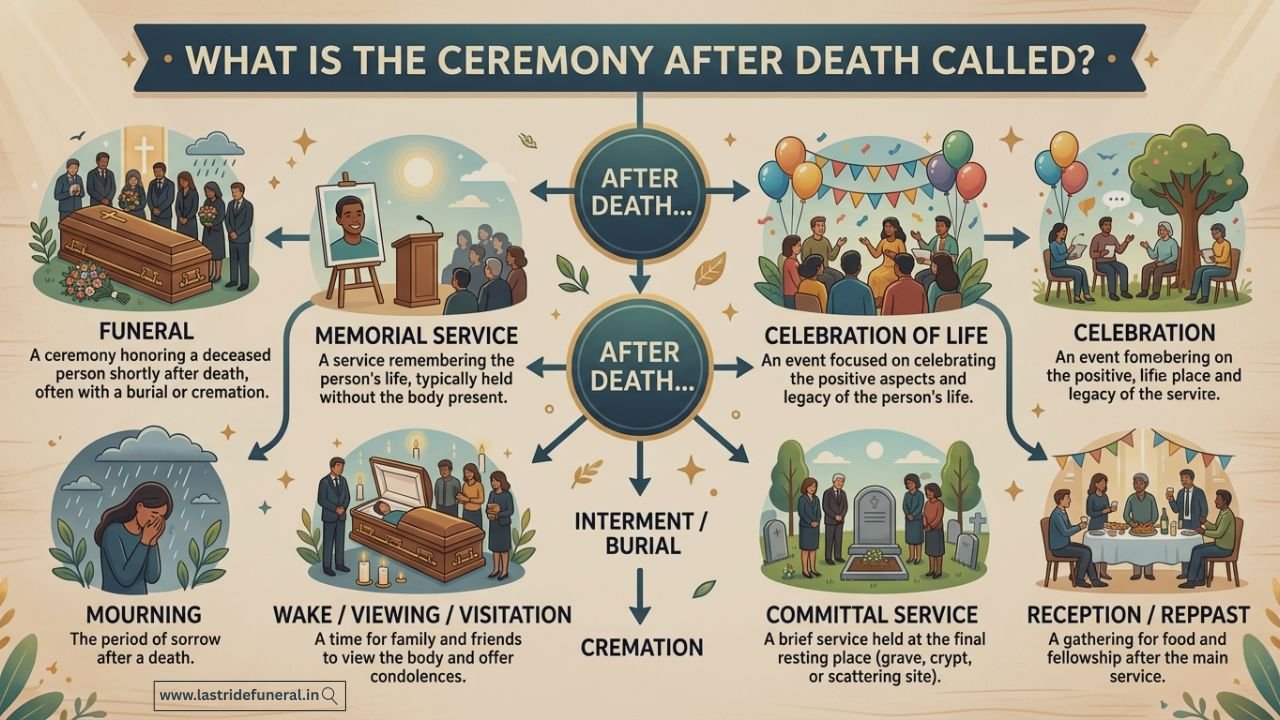
The ceremony following death has various names depending on culture, religion and individual preference. Funeral, memorial, last rites and final farewell are the most frequently used phrases. Both are beautiful for the same reason: to honor a life lived and to comfort the survivors.
A funeral service is usually held in the days following a death, and the body might be there to be viewed at the service. A memorial service is held later on, even weeks or months after, and is not held with the body. Both are spaces for loss, remembrance and community.
Why These Ceremonies Matter
The question that may arise is why do we have these ceremonies? It’s a simple yet profound answer. It’s helpful to us when we’re able to:
Process grief together. Sitting alone in the grieving process is burdensome. Friends and families are emotionally involved when they are together. There was one grandmother who told me that when she was at her husband’s funeral it was like a warm blanket on a cold night. She felt she was not the only one because all of the people were there.
Celebrate the person’s life. These ceremonies are not all about sadness. They’re about recalling the fun, the teachings, and the love that that person gave to the world.
Find closure. Ritual is a way of saying goodbye that is also a way of our mind accepting what our hearts are having difficulty accepting. It is a time of definite transformation.
Differences in cultural names
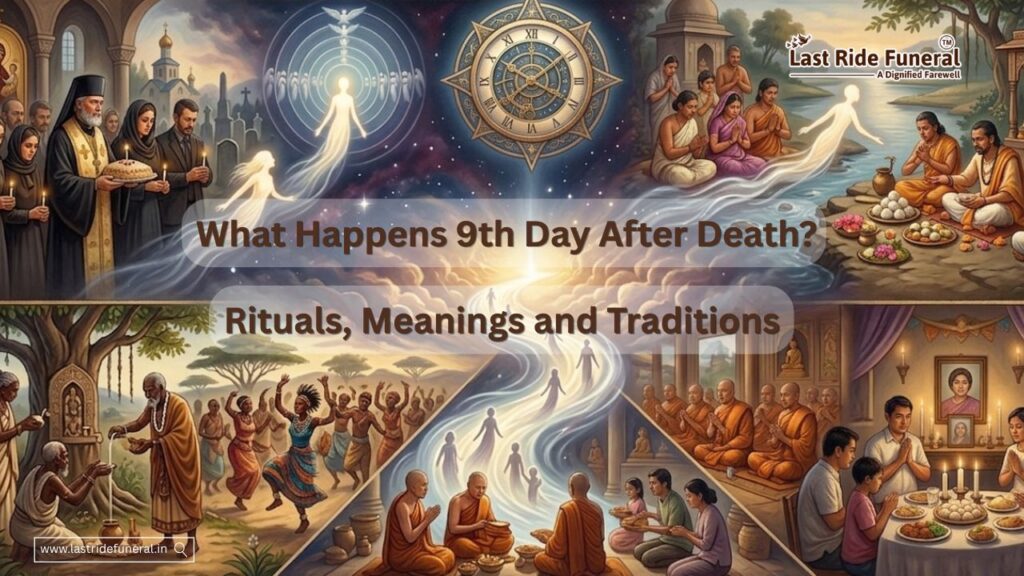
Death ceremonies in India have a lot of cultural significance. Hinduism houses the last rites ceremony (Antyesti) and Shraddha ceremonies in honor of the ancestors. Funeral masses or memorial services are sometimes conducted by Christian families. Janazah prayers are performed swiftly after the death of a person and are an important part of Muslim traditions.
Antam Sanskar is performed by Sikh families where they pray and cremate the dead. They are all expressions of reverence to the deceased spirit and offer support in an emotionally charged period.
Making the Ceremony Meaningful
It could be a funeral, a memorial or a final farewell, but personalizing the ceremony is key. These are a few simple suggestions:
- Share stories. Have family members tell you some of their best memories. A nephew may recall fishing outings. A co-worker may remember kindness in the workplace. They tell the whole story of this person.
- Add their hobbies: Play their favorite tunes. Show pictures of various stages of life. Serve their favorite foods. It is these little details that make it a real ceremony.
- Simplify if necessary. Not all ceremonies have to be formal. Sometimes it’s the simple event where the family is close that can be more significant than a large event.
Supporting Each Other Through Grief
Following the ceremony, there is still sadness. Follow up on friends and relatives in weeks and months afterwards. Often the strongest one needs support as well. A simple phone call or visit is more than you’d expect.
Conclusion
The ceremony following death is known by a number of different terms: Funeral Memorial Service, last rites or final farewells. Whatever name we use, it is always about honoring a life, offering comfort to the living and space for healing. These rituals are a reminder that love is not dead after death, but becomes a memory.