The 9th Day After Death: Rituals, Meanings and Traditions
Death is a biological, but also cultural, religious and traditional occurrence. Many cultures have death rituals. The 9th Day After Death is a significant component of the dying process, with numerous prayers, ceremonies, or memorials conducted for the deceased.
These rites could help one to recover from loss and reflect a cultural assumption about the afterlife.
The Importance of the Ninth Day
The first few days are considered as a passage. The 9th day is important as it is thought to be a day for the soul to be at rest, or for the soul to leave the body.
This is a common practice.
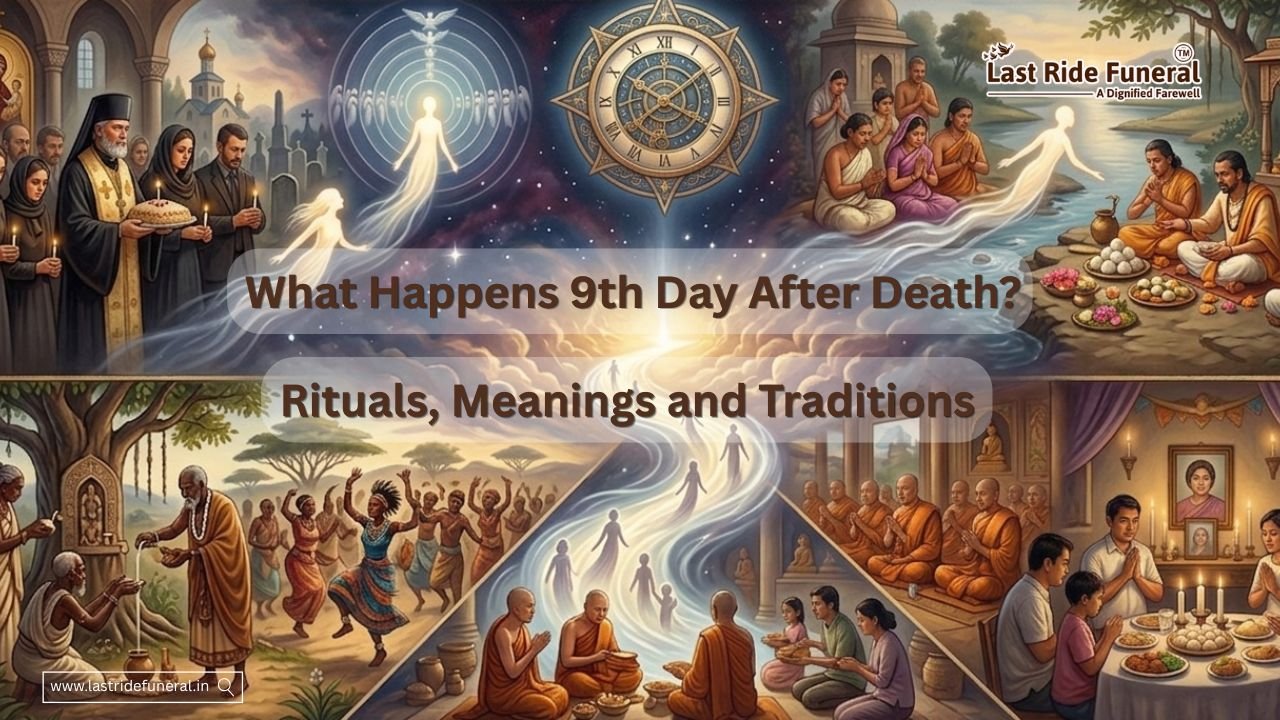
1. Orthodox Christian Death Traditions
For orthodox christians, the 9th day is important for death.
Families gather to:
- Pray for the soul
- Light candles
- Have a memorial service
The soul is said to be travelling for 9 days and then rests. The 9th day prayer helps the soul on its journey.
2. Roman Catholic Death Customs
For the roman catholic, the 9th day is part of the novena.
For nine days following a person’s death, people offer prayers. 9th day:
- A special prayer service is held
- Gathering of family and friends
- Prayer is offered for soul’s peace
This is an example of the mercy of God and prayer’s effectiveness.
3. Hindu Funerals
In many cultures of India, such as the Hindu culture, there are many rituals on day long basis.
Typically, 10th or 13th day but also other days prior to 10th day (such as 9th day) – are prayers offerings (Shraddha).
Families:
- Offer prayers (Shraddha)
- Offer food and water (symbolically)
- Observe grieving rules
Rituals assist the soul in its journey and comfort the soul and family.
4. Other Cultural Practices
There are variations in 9th day rituals:
- In Eastern Europe, there’s a 9th day service with prayers, food
- In other Latin American nations, prayers, services
- Others may go to the cemetery, light candles
This is part of cultural rituals of remembrance.
Emotional and Psychological Meaning
Other than being a religious day, Day 9 is also important from a cultural angle of the grieving process.
By this time:
- Bewilderment is subsiding
- Families are accepting the death
- Rituals make sense of things
They pray for the soul, and commemorate the person.
Symbolism of the Soul’s Journey
Most cultures do not believe that the person’s soul left the person and entered the afterlife, and believe it is still around. It’s on a journey.
Day 9 is thought to be a:
- A soul changing time
- A day for change
- When prayers are particularly effective
There are differences but we all have souls.
Conclusion
The significance of 9 days after death may vary but it’s to honour the person who has gone, to help the soul and for family and friends to grieve.
It could be mourning rituals, novena of the soul, funeral rituals or other traditions, they are helpful in times of sadness and grief. They help us see death is a part of life and spiritual journey.
And in the new world, Last Ride Funeral also helps the families honour these traditions and rituals in a dignified and respectful way, to keep these traditions alive and paying homage to these loved ones.