What is Water Cremation? Alkaline Hydrolysis Explained
At Last Ride Funeral, we believe into integration of different aspects in the process of passing on. We understand the process of passing on a loved one is not just a one day event. Water Cremation is one of the alternatives that has been introduced as society has come to realize the adverse effects on the environment brought about by traditional modes of burial and burning of the body.
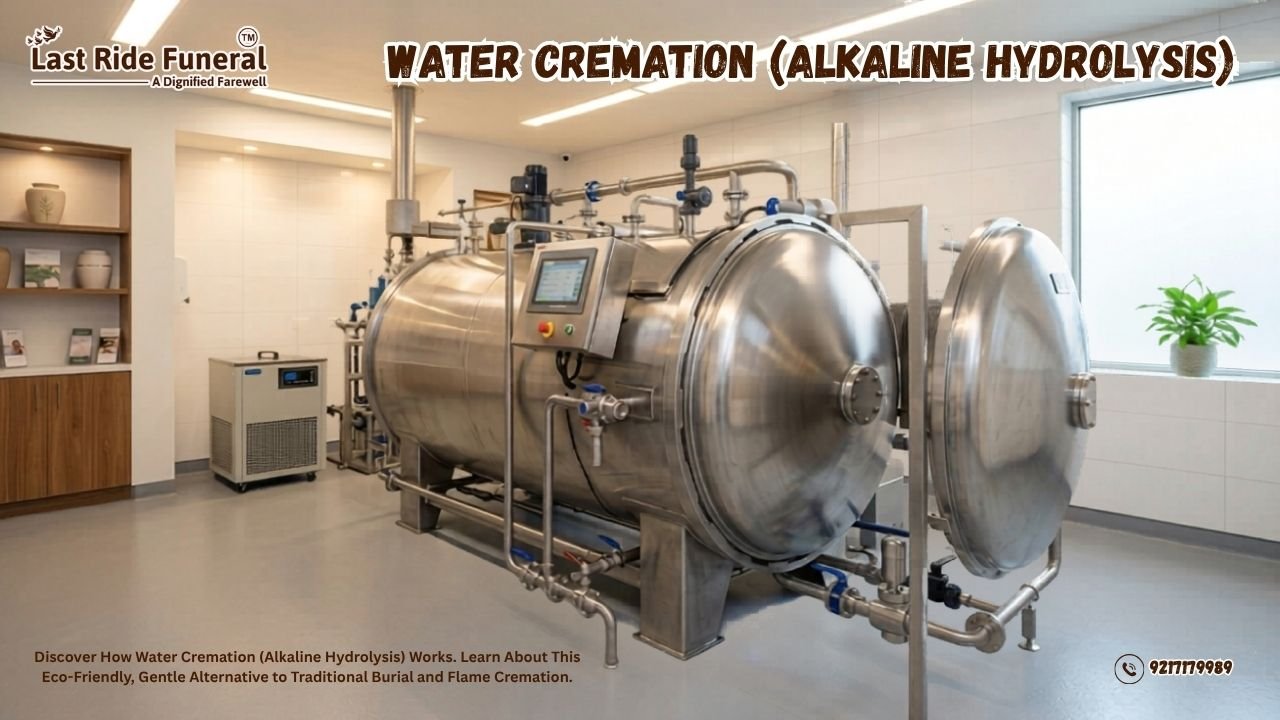
Water Cremation, Aquamation, Alkaline Hydrolysis, Green Cremation, all describe a different process, which is a safe, eco-friendly and gentle way of using water and returning the body to the natural elements.
How Water Cremation Works?
The process of Water Cremation could really be said to be a lot of things, but a scientific phenomenon? Not really. Water Cremation is a process that helps to accelerate what Mother Nature does with her time. The average burial takes quite a long time, for the body to be broken down and in the process a lot of alteration occurs with factors such as moisture and the alkaline conditions of the soil. In Water Cremation, such a process is carried out in a matter of hours.
- The Chamber: The body is placed into a clean stainless steel vessel.
- The Solution: A mixture of about 95% water and 5% alkali is created and introduced into the vessel.
- The Process: The remaining soft tissues of the body are broken down to their final and simplest states of chemical structure: salts, sugars, and amino acids, by the combination of flowing water, heat, and an alkaline environment.
- The Result: The process is done, and what is left behind is calcium phosphate (the minerals of the bones) and any inorganic implants which are left unaltered.
The Environmental Impact
Water cremation is more environmentally friendly than other cremation options. Here are a couple of advantages if you prioritize sustainability.
- No emissions: Traditional flame cremation relies on combustion and as a result, emits greenhouse gases and mercury vapors into the atmosphere. Water cremation, which does not rely on combustion, emits no harmful pollutants.
- Energy Conservation: Traditional flame cremation and water cremation use very different amounts of energy. Water cremation uses about 90% less energy than traditional flame cremations.
- Resource Savings: Water cremation offers a sustainable alternative to traditional burial, which requires an expensive casket, a burial vault, and embalming.
Water or Flame
We often receive the question of how “ashes” differ between the two. Flame Cremation uses volatile, extreme heat. Water cremation is a much gentler process.
Because of the gentler nature of the process, families receive a greater quantity of “ashes.” These remains can be a fine white powder, which can be kept in an urn, scattered, or used to create memorial jewelry.
Is it Right for You?
Selecting a method for the end of life is very personal. Water cremation is frequently selected by those who:
- Had a connection to water or nature.
- Value environmental conservation and “leaving no trace.”
- Prefer a gentler or calmer method when compared to fire.
- At Last Ride Funeral, we honor the journey of the deceased with the deepest respect, no matter the service option selected. One of the many peaceful alternatives we offer is water cremation.
- Safety. The process of water cremation results in a sterile byproduct of water that is sent through the natural process of water treatment, void of harmful chemicals or DNA remnants that would endanger any ecosystem that the reclaimed water is returned to.
Future Thoughts
Last Ride Funeral is committed to being a pioneer of novel funeral options that are ethical and environmentally sound. Water cremation not only offers a scientific and safe option, but a gentle and respectful one, to those in the community who are ready to learn and utilize this service.