Accidentally Ate Non-Veg During a 13-Day Hindu Mourning Period? What Garuda Purana & Vedic Rules Say
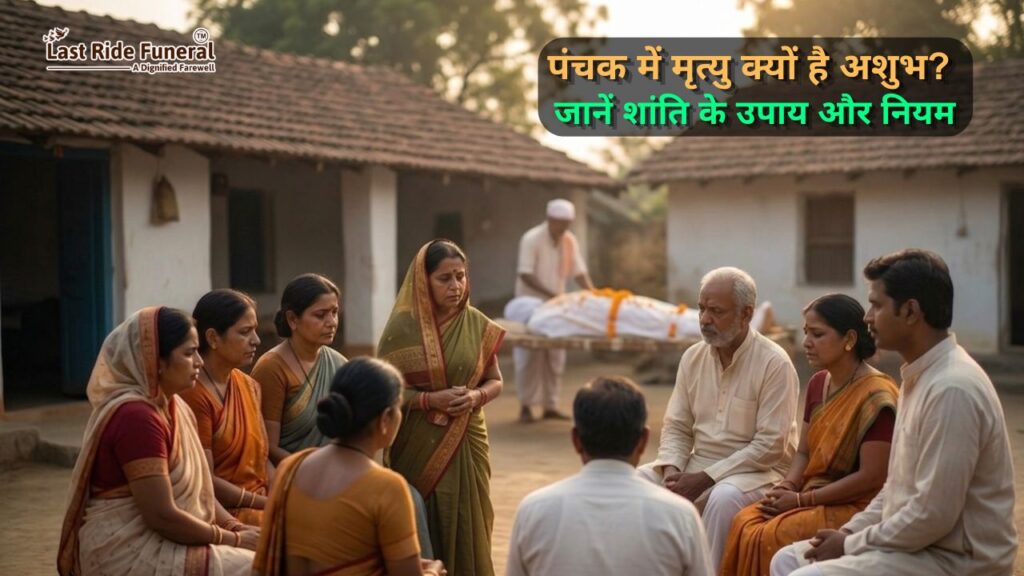
In the aftermath of losing a parent, grandparent, or close family member, grief often leaves households overwhelmed, disoriented, and emotionally exhausted. During the traditional 10-to-13-day period of intense mourning—known across Sanatana Dharma as Ashaucha, Sutak, or Patak—family members observe strict codes of simplified, contemplative living. Among the most prominent of these rules is the adherence to a strictly bland, simple Sattvic vegetarian diet.
However, in today’s fast-paced, urbanized world, situations frequently arise where an inadvertent mistake happens: a grieving relative working outside, a college student, or a family member visiting a friend accidentally consumes something containing non-vegetarian ingredients, eggs, or onion/garlic without realizing it.
When the realization dawns, it is almost invariably accompanied by acute guilt, spiritual panic, and intense anxiety: Have I committed a grave sin? Will this obstruct my loved one’s soul from attaining peace or Moksha? Does the family need to restart the entire 13 days of rituals?
At Last Ride Funeral, our Vedic pandits and senior coordinators counsel hundreds of families across Delhi NCR through the fragile post-cremation period. Here, we offer grounded scriptural perspective from the Garuda Purana, explain the spiritual rationale behind the mourning diet, and outline simple, restorative Vedic Prayaschitta (purification) steps to immediately relieve your mind.
1. Why Is Diet Restricted During the 13-Day Mourning Period?
To address the accidental consumption of non-vegetarian food, one must first understand why dietary discipline (Ahara Niyama) is prescribed during mourning. In Hindu metaphysics, food is not merely caloric fuel; it carries subtle energetic vibrations (Gunas):
                     ┌─────────────────────────────────────────┐
                     │     The Three Gunas in Mourning Diet    │
                     └────────────────────┬────────────────────┘
                                          │
            ┌─────────────────────────────┼─────────────────────────────┐
            ▼                             ▼                             ▼
    【 Sattva (Purity) 】         【 Rajas (Passion) 】         【 Tamas (Lethargy / Heat) 】
    • Simple boiled rice/dal      • Spices, fried foods, tea    • Meat, fish, eggs, alcohol
    • Calms the mind              • Agitates emotional grief    • Dense astral vibrations
    • Recommended in Sutak        • Prohibited in Ashaucha      • Strictly avoided in mourning
The Energetic Dynamics of Grieving
- The Subtle Bond with the Departed (Preta Avastha): According to the Preta Kanda of the Garuda Purana, during the first 10 to 12 days following cremation, the departed soul exists in an embryonic transitional state (Sukshma Sharira). The thoughts, emotions, and subtle energies generated by the surviving family members directly affect the comfort and tranquility of the departed spirit.
- Preserving Mental Stillness: Meat and animal products generate heavy Tamasic and Rajasic energy in the subtle body. Grieving family members are already dealing with intense emotional upheaval; consuming heavy animal proteins increases psychological restlessness, digestive burden, and emotional turbulence when stillness and prayer are needed.
- Solidarity and Penance (Tapasya): The 13 days of mourning represent an act of sacred asceticism (Tapah). Family members voluntarily renounce worldly comforts (luxuries, celebratory foods, shaving, vibrant attire) as a collective tribute to honor the departed’s memory.
2. Accidental vs. Intentional: What Do the Scriptures Say?
The most critical distinction in Hindu jurisprudence (Dharmashastras) and the Garuda Purana is the foundational principle of Kama-Krita (intentional action) versus A-Kama-Krita (unintentional, accidental mistake).
+----------------------------------------------------------------------------------------------------+
|                         SCRIPTURAL CLASSIFICATION OF MISTAKES IN DHARMASHASTRAS                    |
+------------------------------------+----------------------------------+----------------------------+
| Category                           | Definition                       | Karmic Impact & Resolution |
+------------------------------------+----------------------------------+----------------------------+
| A-Jnanatah / A-Kama-Krita          | Done completely unintentionally, | Zero negative karma on the |
| (Unknowing / Accidental)           | unaware, or by genuine oversight | departed soul; simple bath |
|                                    | without disrespectful intent     | & Gangajal marjan cleanses |
+------------------------------------+----------------------------------+----------------------------+
| Jnanatah / Kama-Krita              | Done deliberately with conscious | Disrespectful negligence;  |
| (Deliberate / Defiant)             | defiance or disregard for sacred | requires formal Vedic      |
|                                    | family vows during mourning      | prayaschitta & cow donation|
+------------------------------------+----------------------------------+----------------------------+
Scriptural Reassurance from Sage Manu and the Garuda Purana
In the Manusmriti (Chapter 11, Verse 224) and the Garuda Purana, ancient sages clearly state:
“अज्ञानाद्यदि कुर्यात्तु प्रायश्चित्तं विशोधनम् । ज्ञानेन तु कृते पापे प्रायश्चित्तं द्विगुणं भवेत् ॥”
(If an improper act is committed out of ignorance or pure accident, a simple act of inner remembrance and purification cleanses it. Only when done willfully with deliberate arrogance is severe atonement required.)
Vedic philosophy is rooted in intention (Bhava). God and the departed soul judge you by the love in your heart, not by an accidental morsel of food swallowed without your knowledge.
Crucial Truth: An accidental bite of food DOES NOT harm your departed parent or relative, DOES NOT interrupt their journey to the higher realms, and DOES NOT invalidate or restart the family’s 13-day ceremonies (Kriya).
3. Immediate Practical Steps: Restorative Prayaschitta (Atonement)
If you or someone in your family has accidentally eaten non-vegetarian food during Sutak, perform these simple, comforting steps to restore inner calm and energetic purity:
                  ┌──────────────────────────────────────────────┐
                  │       4 Restorative Steps of Prayaschitta    │
                  └──────────────────────┬───────────────────────┘
                                         │
        ┌──────────────┬─────────────────┼─────────────────┬──────────────┐
        ▼              ▼                 ▼                 ▼              ▼
   【 1. Stop Immediately 】【 2. Purificatory Snana 】【 3. Gangajal & Tulsi 】【 4. Mantra Recitation 】
   Discard food without   Full head bath with     Sip 3 drops of holy    11x Gayatri or
   panic or self-blame    plain cold water        water with repentance  Maha Mrityunjaya jaap
- Stop Immediately Without Panic: As soon as you realize the mistake, stop eating. Rinse your mouth thoroughly with clean water. Do not engage in catastrophic thinking or self-loathing.
- Take a Purificatory Bath (Snana): Take a complete head bath with ordinary water. In Vedic tradition, running water instantly neutralizes outer physical impurity.
- Sprinkle and Partake of Gangajal: Take a few drops of sacred Ganga water (Gangajal) with a fresh green Tulsi leaf. In the Garuda Purana, it is stated that even a single droplet of Gangajal dissolves unintentional physical and psychological blemishes.
- Chant the Maha Mrityunjaya or Gayatri Mantra: Sit quietly facing north or east for 5 to 10 minutes. Silently recite the Maha Mrityunjaya Mantra or Gayatri Mantra 11 or 21 times, dedicating the peace of the prayer to the departed soul:
“ॐ त्र्यम्बकं यजामहे सुगन्धिं पुष्टिवर्धनम् । उर्वारुकमिव बन्धनान्मृत्योर्मुक्षीय मामृतात् ॥”
- Feed an Animal or Make a Small Charity Offering (Go-Seva): The next morning, feed a stray cow (Gau Mata), a dog, or birds with fresh green grass, roti, or grain. In Vedic ethics, offering food to innocent animals immediately balances any inadvertent transgression.
4. Should You Tell the Entire Family or Pandit?
One common dilemma is whether one should publicly announce the mistake to elderly, grieving family members or the officiating priest.
- Avoid Creating Unnecessary Collective Anxiety: If the mistake was purely personal and accidental, there is no scriptural requirement to cause distress to an already grieving mother, father, or elder.
- Vedic Principle of Silent Atone (Mansik Prayaschitta): When an error is committed in private without malicious intent, resolving it through private prayer, personal cleansing, and God-consciousness is considered the most spiritually mature path.
- If You Are the Chief Mourner (Karta): If the individual who made the mistake is the primary person performing the daily Pinda Daan rituals, simply inform the family priest privately. The priest will add a simple purificatory Kusha-Jala Marjan (sprinkling of sacred grass water) before that day’s ritual without any drama or condemnation.
5. Navigating Modern Grief with Compassion and Sanity
Grief is exhausting. When managing funeral logistics, hospital clearances, family arrivals, and sleepless nights, cognitive fatigue sets in. Ancient sages were profoundly compassionate human observers who understood that mortals make errors under intense emotional strain.
Rituals in Sanatana Dharma exist to heal the living and guide the departed—not to trap grieving families in paralyzing terror. For guidance on complete Chautha and Tehravin ritual planning or understanding who is allowed to perform last rites, turn to compassionate, experienced guides who prioritize reverence over superstition.
More From Last Ride Funeral
6. Frequently Asked Questions (FAQs)
What happens if you accidentally eat non-veg during the 13-day Hindu mourning period?
Scriptures such as the Garuda Purana and Manusmriti clearly distinguish between deliberate defiance and unintentional mistakes. If done accidentally, there is zero negative karmic impact on the departed soul. Taking a purificatory bath, consuming holy Gangajal with Tulsi, and chanting mantras immediately restores personal spiritual purity.
Does eating non-veg by mistake restart the 13-day Sutak period?
No, absolutely not. The 13-day period of Ashaucha (Sutak) is determined by astrological and calendar days following death and cremation. An accidental dietary error by one family member does not reset or invalidate the timeline of the ongoing family rituals.
Will my accidental mistake prevent the departed soul from reaching Moksha?
No. The soul’s spiritual journey is governed by its own life karma and the sincere Vedic rituals (Antyesti, Pinda Daan, and Mukhagni) performed on their behalf. An inadvertent error in eating cannot derail or harm a departed soul’s spiritual progression.
What is the simplest Vedic Prayaschitta (atonement) for this mistake?
The simplest Vedic atonement consists of: (1) immediately rinsing the mouth, (2) taking a full bath with running water, (3) drinking a few drops of Gangajal with a Tulsi leaf, and (4) reciting the Maha Mrityunjaya Mantra or Gayatri Mantra 11 times with a sincere heart.
Why are meat, eggs, onion, and garlic banned during mourning?
Meat, eggs, onion, and garlic are classified as Tamasic and Rajasic foods in Ayurveda. They stimulate nervous restlessness, physical heat, and emotional agitation. A simple Sattvic vegetarian diet is prescribed to keep the grieving mind peaceful, contemplative, and spiritually attuned during prayers.
Do extended relatives outside the immediate household have to follow the diet?
The strictest dietary rules apply to immediate paternal blood relatives (Sapindas) who share the primary gotra and lineage. For distant relatives, cousins, or married daughters in other households, the mourning period and dietary restrictions are significantly shorter (typically 1 to 3 days depending on family tradition).
Should I tell the family pandit about the mistake?
If you are an attendee or secondary family member, private repentance and a purificatory bath are entirely sufficient. If you are the chief mourner (Karta) performing the daily Pinda Daan, discreetly inform the priest so he can perform a brief Kusha grass sprinkling before that day’s ritual.
How can Last Ride Funeral assist with 13-day ritual coordination in Delhi NCR?
Last Ride Funeral provides knowledgeable Vedic priests for all 13-day rites, arranges pure Antim Sanskar and Tehravin Brahmin Bhoj catering, manages prayer meeting halls, and coordinates Haridwar Asthi Visarjan travel. Call our 24/7 helpline at +91 92171 79989 for comprehensive support.
Conclusion: Lead with Love, Not Fear
Sanatana Dharma is an ocean of wisdom guided by divine empathy. Rituals are designed to provide structure and peace to grieving human hearts, not to instill terror or guilt over inadvertent oversights.
If you made an accidental mistake, take a quiet breath, wash your hands and face, take a drop of Gangajal, and redirect your focus toward remembering your loved one with gratitude and love.
For 24/7 funeral assistance, certified Vedic pandit booking, Tehravin catering, or hearse transportation across Delhi, Gurgaon, Noida, and Faridabad:
- 24/7 Helpline: +91 92171 79989
- Official Website: https://lastridefuneral.in/
- Compassionate Care: Supporting families with dignity, tradition, and complete clarity.