Organ Donation vs. Hindu Cremation: Does Donating Organs Affect the Soul’s Moksha or Violate Dahana Karma?
In hospital intensive care units and palliative wards across India and the diaspora, families confronting the impending loss of a loved one increasingly face a profound, heart-wrenching decision: Should we authorize organ or tissue donation?
In modern medicine, brain death (brainstem death) offers the miraculous possibility of restoring vision to the blind through corneal retrieval, granting life to heart and liver failure patients, and liberating kidney failure sufferers from agonizing lifelong dialysis. Yet among devout Hindu families, this compassionate impulse is frequently paralyzed by deep spiritual anxieties:
– “If an organ is surgically excised, is the body rendered impure (ashuddha) or mutilated for the funeral pyre?”
– “Does the Garuda Purana demand that the entire biological form must be returned complete into the sacred flames (Antyesti)?”
– “Will the departed soul be denied Moksha or reincarnated in the next life with a missing eye, heart, or limb?”
These urgent moral questions are currently among the most heavily debated topics across contemporary Indian discussion forums like Quora and Reddit.
At Last Ride Funeral, our mortuary directors work hand-in-hand with transplant hospitals, Vedic scholars (Vidwans), and grieving families throughout Delhi NCR. In this comprehensive investigative analysis, we examine classical Vedic scriptures, the eternal philosophy of the Bhagavad Gita, the supreme precedent of Sage Dadhichi, and practical mortuary protocols to demonstrate why organ donation is not merely permissible in Hinduism—it is revered as the highest possible manifestation of Paropkara and Maha Daan.
1. The Core Metaphysical Distinction: Atma vs. Sharira
To resolve the apparent contradiction between surgical organ harvesting and sacred cremation rites, one must first understand the fundamental ontology of the human condition articulated in the Bhagavad Gita.
Unlike theological systems that view the physical body as an eternal possession resurrected at the end of time, Sanatana Dharma makes an absolute, uncompromising distinction between the Sharira (the perishable biological instrument) and the Atman (the imperishable, eternal soul).
                      ┌─────────────────────────────────────────┐
                      │    The Eternal Architecture of Being    │
                      └────────────────────┬────────────────────┘
                                           │
            ┌──────────────────────────────┴──────────────────────────────┐
            ▼                                                             ▼
    【 Sthula Sharira (Gross Body) 】                           【 Atman (Immortal Consciousness) 】
    • Composed of 5 mortal elements (Pancha Bhoota)           • Uncuttable, unburnable, immutable
    • Temporary biological garment (Vastra)                    • Pure divine spark, beyond physical form
    • Dissolves inevitably into ash and clay                   • Carries only Samskaras and Karma
    • Surrendered freely to sustain living beings             • Journey to Moksha unaffected by surgery
In Chapter 2, Verse 22 of the Bhagavad Gita, Bhagavan Sri Krishna offers the ultimate philosophical lens on biological death:
“वासांसि जीर्णानि यथा विहाय नवानि गृह्णाति नरोऽपराणि । तथा शरीराणि विहाय जीर्णा-न्यन्यानि संयाति नवानि देही ॥”
(Just as a person discards worn-out garments and puts on new ones, similarly, the embodied soul casts off worn-out bodies and enters into new ones.)
Furthermore, Krishna clarifies in Chapter 2, Verse 23:
“नैनं छिन्दन्ति शस्त्राणि नैनं दहति पावकः । न चैनं क्लेदयन्त्यापो न शोषयति मारुतः ॥”
(Weapons cannot cut the soul, fire cannot burn it, water cannot wet it, nor can the wind wither it away.)
When surgical specialists remove a beating heart, liver, or corneas from a brain-dead patient, no surgical blade can ever touch, sever, or wound the Atman. The soul remains whole, radiant, and untouched. The physical organs are merely components of a discarded garment (Jirna Vastra). Donating parts of that worn fabric to preserve another human being’s existence is an act of sublime spiritual grace.
2. Scriptural Precedents: The Supreme Sacrifice of Sage Dadhichi
Sanatana Dharma possesses the oldest philosophical tradition of biological donation in human history. The concept of giving parts of one’s own physical body to protect life is celebrated in the Rigveda, the Mahabharata, and the Bhagavata Purana.
1. Sage Dadhichi’s Asthi-Daan (The Donation of Bones)
When the demonic force Vritrasura terrorized the cosmos and could not be slain by any conventional metallic weapon, Lord Vishnu advised the gods that only a weapon fashioned from the purified bones of a living saint could neutralize the threat.
The gods approached the great sage Dadhichi with deep trepidation. Without a moment’s hesitation, Sage Dadhichi entered deep meditation, gave up his life-breath, and donated his entire skeletal structure (Asthi-Daan). From his consecrated spine, Lord Indra crafted the invincible celestial thunderbolt, the Vajra, restoring balance and life to the cosmos.
If the most revered rishi in Vedic history could voluntarily donate his entire skeletal system for the welfare of others without compromising his spiritual liberation, the gift of an organ today stands directly in the noble lineage of Dadhichi’s Asthi-Daan.
+----------------------------------------------------------------------------------------------------+
|                               VEDIC PRECEDENTS OF BODILY DONATION                                  |
+------------------------------+----------------------------------+----------------------------------+
| Scriptural Source            | Historical / Mythological Event  | Spiritual Principle Demonstrated |
+------------------------------+----------------------------------+----------------------------------+
| Rigveda & Bhagavata Purana   | Sage Dadhichi's Asthi-Daan       | Supreme sacrifice (Sarvasva Daan)|
|                              | (Bone donation to forge Vajra)   | for the protection of society    |
+------------------------------+----------------------------------+----------------------------------+
| Mahabharata (Vana Parva)     | King Shibi's Mamsa-Daan          | Giving one's own flesh to protect|
|                              | (Flesh offered to save a dove)   | the weak and preserve Dharma     |
+------------------------------+----------------------------------+----------------------------------+
| Shiva Purana & Skanda Purana | Kannappa Nayanar's Netra-Daan    | Unconditional offering of one's  |
|                              | (Offering eyes to Lord Shiva)    | physical eyes born of pure love  |
+------------------------------+----------------------------------+----------------------------------+
3. Dahana Karma (The Fire Sacrifice) and Organ Retrieval
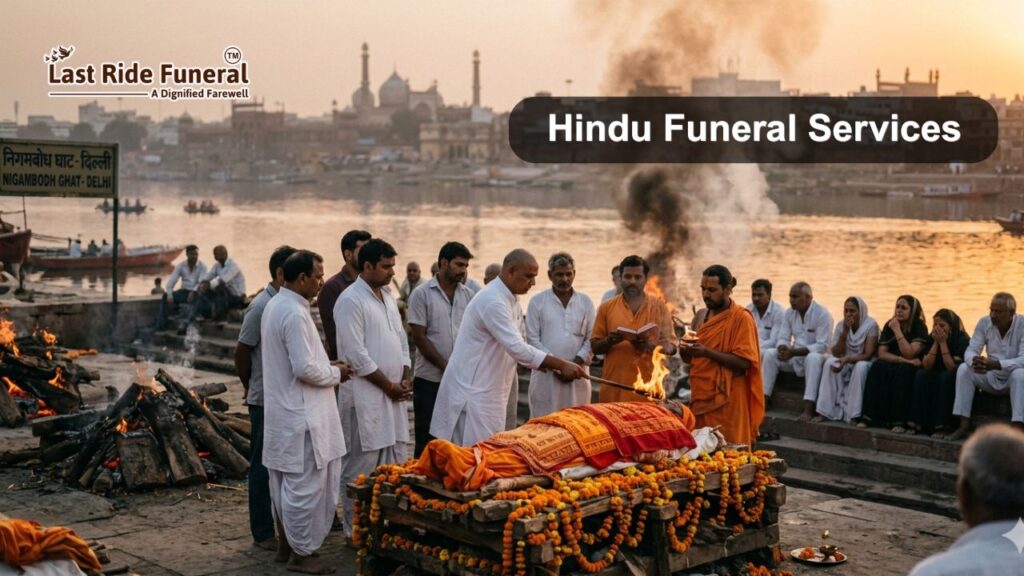
A prevalent worry among orthodox families concerns the nature of Antyesti (the last sacrifice). In Vedic rituals, cremation is not mere disposal; it is a sacred Homa or Yajna, wherein the mortal remains are offered to Agni Devata (the God of Fire) to be delivered back into the primordial elements (Pancha Bhoota).
Some wonder: If an organ has been extracted, is the offering to Agni incomplete?
The Scriptural Resolution:
In Vedic ritual jurisprudence (Mimamsa), an offering is defined by Sankalpa (the pure inner intent of the offerer) rather than mathematical anatomical totality:
1. The Principle of Pratinidhi (Substitutive Purity): When a person dies in an accident, fire, or distant battle where limbs or organs are tragically missing, Hindu scripture provides clear expiatory rituals (Prayashchitta Vidhi). The cremation proceeds with full Vedic efficacy. The soul is never penalized for the physical absence of tissue.
2. The Purusha Sukta Doctrine: The Rigveda (Purusha Sukta 10.90) declares that the cosmos itself was birthed through cosmic self-sacrifice. Offering a functional organ to save a suffering fellow human being elevates the body from a simple earthly corpse (Shava) into a vessel of consecrated divine service (Seva).
3. Pancha Bhoota Delivery: Agni Devata consumes the physical form and transmits the gross elements back to Earth, Water, Air, Fire, and Space. The transplanted organ simply returns to the Pancha Bhoota years later when the recipient eventually completes their natural lifespan.
4. Modern Medical Protocols & Respectful Mortuary Care
One of the greatest fears families harbor is the visual appearance of their loved one after organ retrieval. Distressing myths circulate suggesting that bodies are returned disfigured, hollowed, or unfit for public viewing (Antim Darshan).
At Last Ride Funeral, we work directly with state-certified organ retrieval teams in premier NCR hospitals (such as AIIMS, BLK-Max, Medanta, and Fortis). Families can be fully reassured of the following medical and forensic facts:
  Step 1: Surgical Retrieval ──► Conducted in sterile operation theatre with full surgical dignity
  Step 2: Anatomical Closure ──► Incisions meticulously sutured; prosthetics placed for corneas/bones
  Step 3: Mortuary Washing   ──► Dignified Snana (sacred bath) and application of Chandan & Tilak
  Step 4: Public Darshan     ──► Body dressed in shroud (Kafan); serene, untouched visual presentation
  Step 5: Cremation Rites    ──► Full Vedic Mantras, Mukhagni, and Kapala Kriya proceed seamlessly
- Surgical Precision: Organ harvesting is performed with the identical surgical care and dignity afforded to living patients. Incisions are closed with precision cosmetic sutures.
- Corneal Retrieval: When eyes are donated, specialized ocular prosthetics (translucent conformers) are placed under the eyelids. When the eyes are closed during Antim Darshan, there is zero visible indentation or distortion.
- Zero Ritual Obstacle: Families receive the body in pristine condition, ready for the ritual bath, garlanding, application of Gangajal and Tulsi, and traditional bamboo bier (Arthi) placement.
5. Comparative Matrix: Popular Myths vs. Scriptural & Medical Reality
| Common Misconception / Concern | Scriptural / Theological Reality | Practical Medical & Funeral Fact |
|---|---|---|
| “The soul will be reborn blind or defective if eyes/organs are donated.” | The Atman carries no biological DNA. Rebirth is determined entirely by accumulated Karma and mental impressions (Vasanas), not physical tissue. | Corneal donation leaves facial aesthetics completely intact using medical micro-conformers. |
| “Garuda Purana mandates complete bodily destruction in fire for Moksha.” | The Garuda Purana mandates releasing attachments to the physical shell; saving another life generates immense Punya (spiritual merit). | Millions of Hindus cremated after surgeries, amputations, or combat attain full liberation without ritual hindrance. |
| “Organ retrieval delays the cremation past auspicious daylight hours.” | Vedic texts permit preservation using modern technology (e.g. freezer boxes) when noble circumstances dictate. | Organ retrieval teams coordinate closely with families; post-procedure transfer is rapid and prioritized. |
| “Surgical harvesting causes agony to the departing soul.” | Sensory perception ends permanently with brain death; the soul resides beyond physical nervous sensations. | The retrieval occurs under controlled surgical anesthesia, honoring medical and spiritual tranquility. |
| “Cremation grounds will reject or question a donor body.” | Priests and crematoriums across India welcome organ donors with special reverence and Vedic honors. | Facilities like Punjabi Bagh Cremation Ground conduct rites smoothly without administrative friction. |
6. How to Coordinate Cremation After Organ Donation in Delhi NCR
If your family has made the noble, courageous decision to authorize organ donation, following these practical steps ensures a seamless, dignified transition to the final rites:
- Liaise with the Hospital Transplant Coordinator: The National Organ and Tissue Transplant Organisation (NOTTO) team manages all regulatory clearances, Form 8/10 paperwork, and surgical schedules.
- Inform Your Funeral Director Early: Contact a specialized service like Last Ride Funeral as soon as organ donation is finalized. We coordinate directly with the hospital mortuary to schedule immediate hearse van dispatch upon surgical release.
- Select Cremation Ground & Method: Decide whether you prefer traditional wooden pyre cremation, eco-friendly CNG Cremation, or electric crematorium chambers. Slots can be pre-reserved to avoid family waiting.
- Arrange Antim Sanskar Samagri: Ensure fresh Gangajal, Tulsi leaves, pure sandalwood paste (Chandan), and unbleached cotton shrouds are on hand for the bedside and pyre sanctification.
- Honor the Heroic Gift: Many families choose to announce the donation during the prayer meeting (Chautha / Uthala), inspiring others within the community to embrace this sacred act of life-giving charity.
More From Last Ride Funeral
7. Frequently Asked Questions (FAQs)
Does organ donation violate Hindu cremation rules or Dahana Karma?
No. Hindu scriptures and renowned Vedic scholars unanimously affirm that organ donation does not violate Dahana Karma or Antyesti rites. The offering to Agni is defined by inner spiritual intent (Sankalpa). Donating an organ to save a human life is celebrated as Maha Daan (the supreme gift) and Jeevan Daan, carrying immense spiritual merit that elevates the departing soul.
What does the Bhagavad Gita say about the physical body after death?
In Chapter 2, Verse 22 of the Bhagavad Gita, Lord Krishna explains that the physical body is merely a temporary garment (Vastra) that the eternal soul (Atman) discards at death. Weapons cannot cleave the soul, and fire cannot burn it. Because the soul is entirely separate from physical flesh, removing an organ from a deceased body cannot harm or diminish the soul in any way.
Will donating an eye or kidney affect reincarnation or cause defects in the next birth?
No. According to Hindu metaphysics and the Law of Karma, future births and spiritual progression are shaped exclusively by mental impressions (Samskaras), moral actions, and spiritual consciousness—never by the physical condition of the discarded corpse. Donating an organ to heal another person generates virtuous Karma (Punya), which supports auspicious spiritual evolution.
Who was Sage Dadhichi, and why is he cited in organ donation?
Sage Dadhichi is the celebrated Vedic rishi who voluntarily gave up his physical life to donate his bones (Asthi-Daan) so that Lord Indra could craft the sacred celestial weapon Vajra to vanquish the demon Vritrasura and save the universe. Hindu scholars revere Sage Dadhichi as the spiritual father of bodily donation, proving that sacrificing physical remains for the greater good is the highest Vedic ideal.
Does organ retrieval cause disfigurement that prevents Antim Darshan (final viewing)?
No. Surgical retrieval of organs is conducted with the highest medical dignity in sterile operating theatres. All surgical incisions are meticulously sutured and fully covered beneath the traditional shroud. For eye donations, medical prosthetic conformers ensure the eyelids rest naturally closed, preserving a serene, peaceful appearance during family viewing and rites.
Can an organ donor receive a full traditional Hindu funeral with Vedic Mantras?
Yes, absolutely. A donor body receives the exact same sacred Antyesti rites as any other individual, including the ceremonial bath (Snana), applying Chandan and Tilak, placing Gangajal and Tulsi in the mouth, circumambulation, and Mukhagni. Vedic priests throughout India conduct these ceremonies with deep reverence for the deceased’s final charity.
What types of organ and tissue donation are possible after death in India?
In India, solid organs (heart, lungs, liver, kidneys, pancreas, and small intestine) can be retrieved following certified brainstem death in an ICU setting while the heart is artificially supported. Tissue donations (corneas, skin, heart valves, and bone) can be retrieved within 6 hours following circulatory death (cardiac arrest) directly at a hospital or even at home.
How does Last Ride Funeral assist donor families across Delhi NCR?
Last Ride Funeral provides specialized, compassionate mortuary coordination for donor families across Delhi, Gurgaon, Noida, and Ghaziabad. We handle seamless hospital mortuary pickup, provide hygienic hearse vans, arrange complete Antim Sanskar Samagri kits, coordinate priest services, and secure crematorium slots at facilities like Punjabi Bagh, Lodhi Road, or Nigambodh Ghat. Call our 24/7 dedicated helpline at 9217179989 for immediate support.
Conclusion: Transforming Mortality into Immortality
The ultimate goal of human life in Hindu philosophy is to move from darkness to light, and from mortality to immortality: “Mrityor Ma Amritam Gamaya.”
When we cling to an empty biological vessel, we surrender to the illusion of possessiveness (Moha). But when a family chooses to offer the heart, kidneys, or eyes of a departed loved one so that another mother, father, or child might live and see the light of day, they perform the ultimate act of Dharma.
The soul does not lose its way to Moksha through organ donation. Instead, it embarks on its journey sanctified by the profound blessings and gratitude of living souls saved from suffering.
For compassionate funeral coordination, hearse van transport, crematorium bookings, and Vedic guidance following organ donation across Delhi NCR, contact Last Ride Funeral.
- 24/7 Support Helpline: 9217179989
- Official Portal: https://lastridefuneral.in/
- Service Coverage: Rapid dispatch within 30 minutes across Delhi, Gurgaon, Noida, and Ghaziabad.