Do You Bring Flowers or Food to a Hindu Funeral? Condolence Etiquette & Customs
In Western bereavement customs, bringing a freshly baked casserole, a gourmet gift hamper, or sending an elaborate arrangement of white lilies to a grieving family is standard sympathy etiquette. It offers tangible comfort, eases the burden of cooking, and expresses heartfelt condolence.
However, when attending an Antim Sanskar (Hindu funeral), visiting an Indian household during the 13 days of Sutak (mourning seclusion), or attending a Chautha (prayer meeting), Western gift-giving customs do not apply. In fact, arriving with uninvited food hampers or cut flower bouquets can inadvertently create distress and violate sacred ritual boundaries.
Do you bring flowers or food to a Hindu funeral? What is strictly forbidden to bring into a mourning home? How should friends, colleagues, and overseas visitors express respectful sympathy without crossing Vedic cultural norms?
At Last Ride Funeral, our Vedic directors and senior funeral coordinators assist grieving families across Delhi NCR every day—at Lodhi Road, Nigambodh Ghat, Punjabi Bagh, and Dwarka Sector 24. Here is the authoritative guide to Hindu funeral condolence etiquette, scriptural food taboos, flower protocols, and how to honor a grieving family with dignity.
1. Quick Summary: What to Bring vs. What to Avoid
To navigate condolence visits respectfully, understand the golden rule of Hindu funeral etiquette: Your sincere, humble presence is the only gift expected.
┌────────────────────────────────────────────────────────────────────────────────────────┐
│                      WHAT TO BRING TO A HINDU FUNERAL: AT A GLANCE                     │
└───────────────────────────────────────────┬────────────────────────────────────────────┘
                                            │
    ┌───────────────────────────────────────┴───────────────────────────────────────┐
    ▼                                                                               ▼
【 PERMITTED & CULTURALLY RESPECTFUL 】                       【 STRICTLY FORBIDDEN / TABOO 】
 • Your quiet presence & joined-hands Namaste                • Cooked food, home-cooked dishes, bakery items
 • Simple marigold / rose garland (cremation only)           • Elaborate cut-flower bouquets, vases, or lilies
 • Sincere words of comfort & silence                        • Sweets (Mithai), chocolates, festive gift baskets
 • Modest white or neutral attire                            • Cash envelopes (Lifafa) handed to mourners
 • Respectful participation in silent prayer                 • Alcohol, leather gift accessories, celebratory cards
2. Bringing Food to a Hindu Mourning Home: Why Outside Food Is Taboo
One of the most frequent cultural misunderstandings occurs when well-meaning colleagues or foreign friends arrive at a grieving Hindu home carrying casseroles, pastries, or grocery baskets.
In Sanatana Dharma, bringing cooked food to a mourning home during the 10-to-13-day Sutak (Ashaucha) period is strictly taboo for two foundational reasons:
+----------------------------------------------------------------------------------------------------+
|                         THE 2 CORE REASONS COOKED FOOD IS RESTRICTED                               |
+--------------------+------------------------------------+------------------------------------------+
| Dimension          | Scriptural & Ritual Law (Ashaucha) | Ground Logistics & Family Care           |
+--------------------+------------------------------------+------------------------------------------+
| 1. The Home Kitchen| Following physical demise, the     | Immediate family members are forbidden   |
|    Pause           | household fire (*Chulha*) is       | from lighting the stove or cooking until |
|                    | paused; the home enters seclusion  | the cremation is formally completed      |
+--------------------+------------------------------------+------------------------------------------+
| 2. Who Feeds the   | Only specific maternal relatives   | Close relatives prepare simple, bland,   |
|    Family?         | (*Nanihal*) or married daughters   | pure sattvic meals (no onion, no garlic, |
|                    | provide nourishment to mourners    | strictly vegetarian) to sustain mourners |
+--------------------+------------------------------------+------------------------------------------+
The Concept of the Extinguished Hearth
In Vedic tradition, immediately following a death in the family, the domestic cooking fire (Chulha) is extinguished. The grieving family is considered to be in an intense state of shock and ritual mourning (Ashaucha). Because the home is in transition, no elaborate cooking or eating takes place in the residence until the deceased has been consigned to the sacred fire at the cremation ground.
The Sacred Duty of Extended Kin (Nanihal and In-Laws)
Hindu tradition already has a built-in compassionate support system. Extended relatives—specifically the maternal uncles (Mama), maternal grandparents (Nanihal), or married sisters and daughters living in separate households—are designated by custom to bring simple, unspiced food to sustain the immediate family.
This food must follow strict mourning dietary restrictions:
* Strictly Sattvic: Zero meat, zero fish, zero eggs, zero onion, zero garlic, and very minimal salt or spices (often boiled lentils, simple khichdi, or dry rotis).
* Why Outside Visitors Should Not Bring Food: Visitors cannot guarantee the ritual cleanliness, vegetarian purity, and specific fasting observances observed by the family’s Gotra and regional lineage. Bringing outside restaurant food or commercial bakery items creates embarrassment for the family, as they cannot ritually consume it.
3. Bringing Flowers to a Hindu Funeral: Pyre Protocol vs. Home Visits
Flowers hold deep spiritual significance in Hinduism, but their application during mourning is strictly regulated depending on the venue and timing:
+----------------------------------------------------------------------------------------------------+
|                         FLOWER ETIQUETTE BY FUNERAL VENUE & TIMELINE                               |
+--------------------+------------------------------------+------------------------------------------+
| Venue & Occasion   | Flower Protocol                    | Recommended Flower Types                 |
+--------------------+------------------------------------+------------------------------------------+
| 1. Cremation Ground| Highly appropriate; flowers are    | Fresh loose marigold petals (*Genda*),   |
|    (Shamshan Ghat) | placed directly at the feet of the | fragrant white mogra/jasmine, or simple  |
|                    | deceased before pyre is lit        | natural rose petals and strung garlands  |
+--------------------+------------------------------------+------------------------------------------+
| 2. Condolence Home | Strictly discourage flowers;       | None. Do not bring floral bouquets,      |
|    Visit (Sutak)   | cut flowers placed in vases belong | boxed arrangements, or sympathy stems    |
|                    | to celebratory spaces, not mourning| to the family's residence                |
+--------------------+------------------------------------+------------------------------------------+
| 3. Chautha / Shok  | Modest rose or marigold petals to  | Loose flower petals provided by the      |
|    Sabha (Prayer)  | shower on the framed portrait      | venue organizers at the entrance table   |
+--------------------+------------------------------------+------------------------------------------+
Rules for Offering Flowers at the Cremation Ground
If you attend the Antim Yatra (funeral procession) or arrive at the cremation ground (such as Lodhi Road or Nigambodh Ghat), you may purchase a traditional floral garland (Haar) or a basket of fresh loose petals from vendors located just outside the crematorium gate:
- Place Flowers at the Feet: Always step forward quietly, remove your footwear, and place the garland or loose petals at the feet of the deceased on the bier (Antim Shaiya).
- Never Hand Flowers to Mourners: Flowers are an offering to the departed soul’s physical vessel before it returns to the five elements (Panch Mahabhuta). Never hand a bouquet or floral stem directly into the hands of a weeping family member.
- Avoid Exotic Western Arrangements: Wire-bound floral wreaths, boxed standing sprays, and cellophane-wrapped florist bouquets are foreign to traditional Vedic rites and create practical difficulties for cremation operators managing the pyre.
4. Do You Bring Money or Condolence Gifts?
In many cultures, slipping a monetary contribution or sympathy card into the hands of the bereaved is customary to help offset funeral costs. In Hindu funeral tradition:
- Cash Envelopes (Lifafa) Are Strictly Forbidden at Funerals: In Indian culture, gifting money in envelopes is an auspicious custom reserved for celebratory occasions such as weddings, child-birth (Namakaran), and housewarmings. Handing cash to a mourning family at a funeral or Chautha is viewed as deeply insulting, as it conflates joyful celebration with profound grief.
- Charitable Donations (Daan): If you wish to provide financial support in memory of the deceased, the honorable and traditional path is to make a charitable donation to an animal shelter (Gaushala), donate grain to the underprivileged, or contribute to an educational charity in the deceased person’s name after the 13-day mourning period concludes.
5. Practical Visitor Etiquette Checklist for Hindu Funerals
When attending a Hindu condolence gathering or visiting a grieving home in Delhi NCR, follow these time-honored behavioral guidelines:
+----------------------------------------------------------------------------------------------------+
|                         VISITOR CONDOLENCE ETIQUETTE CHECKLIST                                     |
+--------------------+-------------------------------------------------------------------------------+
| Step               | Proper Behavioral Conduct                                                     |
+--------------------+-------------------------------------------------------------------------------+
| 1. Arrival         | Remove footwear outside the door; enter quietly without loud greetings        |
+--------------------+-------------------------------------------------------------------------------+
| 2. Physical Greeting| Join palms in a quiet *Namaste*; avoid exuberant handshakes or awkward hugs  |
|                    | unless you are an exceptionally close personal confidant                      |
+--------------------+-------------------------------------------------------------------------------+
| 3. What to Say     | Keep words minimal: *"I am so sorry for your loss"*, *"May their soul find   |
|                    | Shanti"*, or simply sit in compassionate, quiet presence                      |
+--------------------+-------------------------------------------------------------------------------+
| 4. Where to Sit    | In traditional homes, mattresses are placed on the living room floor; sit     |
|                    | quietly cross-legged alongside other visitors                                 |
+--------------------+-------------------------------------------------------------------------------+
| 5. Duration of Stay| 15 to 30 minutes is the respectful standard; avoid prolonged social chatting  |
+--------------------+-------------------------------------------------------------------------------+
| 6. Departure       | **Never say "Alvida" or "Goodbye"**: Simply nod or join hands quietly         |
|                    | (saying goodbye implies a wish to meet under identical somber circumstances)  |
+--------------------+-------------------------------------------------------------------------------+
More From Last Ride Funeral
6. Frequently Asked Questions (FAQs)
Do you bring flowers to a Hindu funeral?
You may bring a simple garland of fresh marigolds, white jasmine, or rose petals to the cremation ground (Shamshan Ghat) to place respectfully at the feet of the deceased before the pyre is lit. However, do not send or bring cut-flower bouquets or boxed arrangements to the mourning family’s home.
Should I bring cooked food or a casserole to a grieving Hindu family?
No, outside visitors should never bring cooked food to a grieving Hindu home. Following a demise, the home is in a state of ritual seclusion (Sutak or Ashaucha). Immediate sustenance is provided exclusively by maternal relatives (Nanihal) or married daughters according to strict sattvic dietary customs.
Can I give money (Lifafa) as a condolence gift at a Hindu funeral?
No, giving cash envelopes (Lifafa) at a Hindu funeral or condolence visit is culturally inappropriate, as cash gifting is reserved for joyous celebrations like weddings. If you wish to provide financial honor, make a charitable donation (such as feeding cows or supporting orphans) in the deceased’s name.
What is the most appropriate gift to bring to a Hindu funeral?
The most appropriate gift is your humble, respectful presence. In Hindu tradition, physical gifts, food hampers, and commercial cards are unnecessary. Your sincere condolences, joined-hands Namaste, and quiet support during the family’s grief are deeply treasured.
What should I bring if attending a Chautha or prayer meeting?
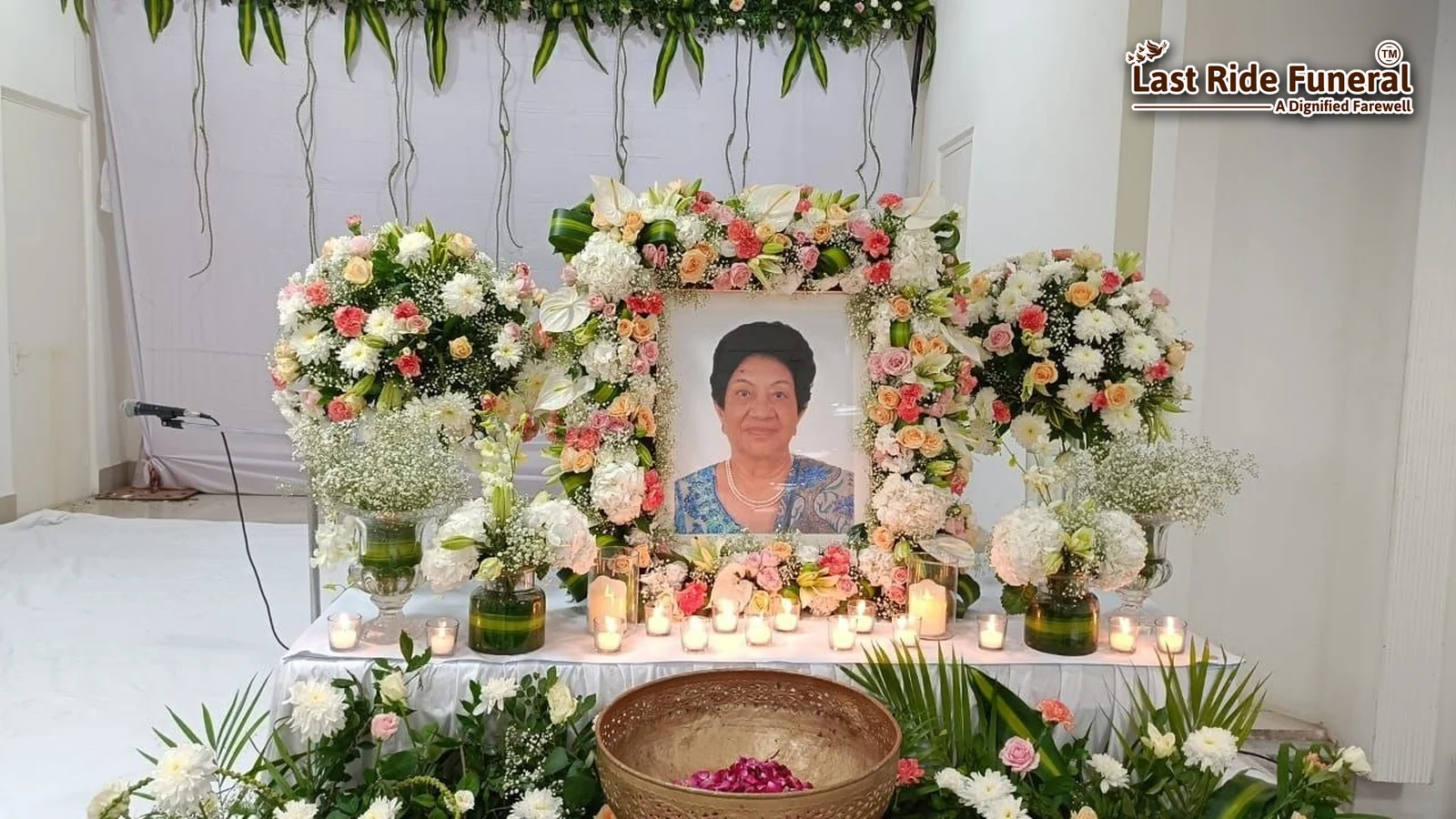
When attending a Chautha (fourth-day prayer meeting) or Shok Sabha, you do not need to bring anything. The host family or organizers provide fresh flower petals at the entrance table for visitors to shower gently on the framed photograph of the departed loved one.
Can I send sympathy greeting cards to a Hindu family?
While sending a thoughtful handwritten letter or condolence message expressing your sympathy is appreciated, commercial sympathy greeting cards are uncommon in traditional Indian culture. A direct personal visit, a brief phone call, or a heartfelt message is preferred.
Why do visitors avoid saying goodbye when leaving a Hindu condolence visit?
In Indian culture, departing phrases like ‘Alvida’ or ‘Goodbye’ carry the subtle implication of wishing to meet again under similar circumstances. When leaving a condolence visit, visitors depart quietly with a silent nod, folded hands (Namaste), or simply say ‘Aap dhyan rakhein’ (take care of yourselves).
How does Last Ride Funeral assist families with memorial meetings in Delhi NCR?
Last Ride Funeral organizes complete Chautha and Tehravin prayer services across Delhi NCR, including venue booking, portrait framing and floral stage setups, Vedic bhajan singers, pure sattvic catering, and complete memorial coordination. Contact our 24/7 team at +91 92171 79989 for assistance.
Conclusion: Offering Solace with Deep Cultural Reverence
Attending a Hindu funeral is an exercise in sacred simplicity and quiet mindfulness. By refraining from material gifts, uninvited food, and elaborate bouquets, you demonstrate profound respect for the spiritual laws of Ashaucha and allow the family to navigate their grief unburdened.
For 24/7 funeral arrangements, Vedic pandit booking, hearse van transport, prayer hall setups, and compassionate bereavement coordination across Delhi, Gurgaon, Noida, and Faridabad:
- 24/7 Helpline: +91 92171 79989
- Official Website: https://lastridefuneral.in/
- Compassionate Care: Traditional Vedic authenticity with professional dignity.