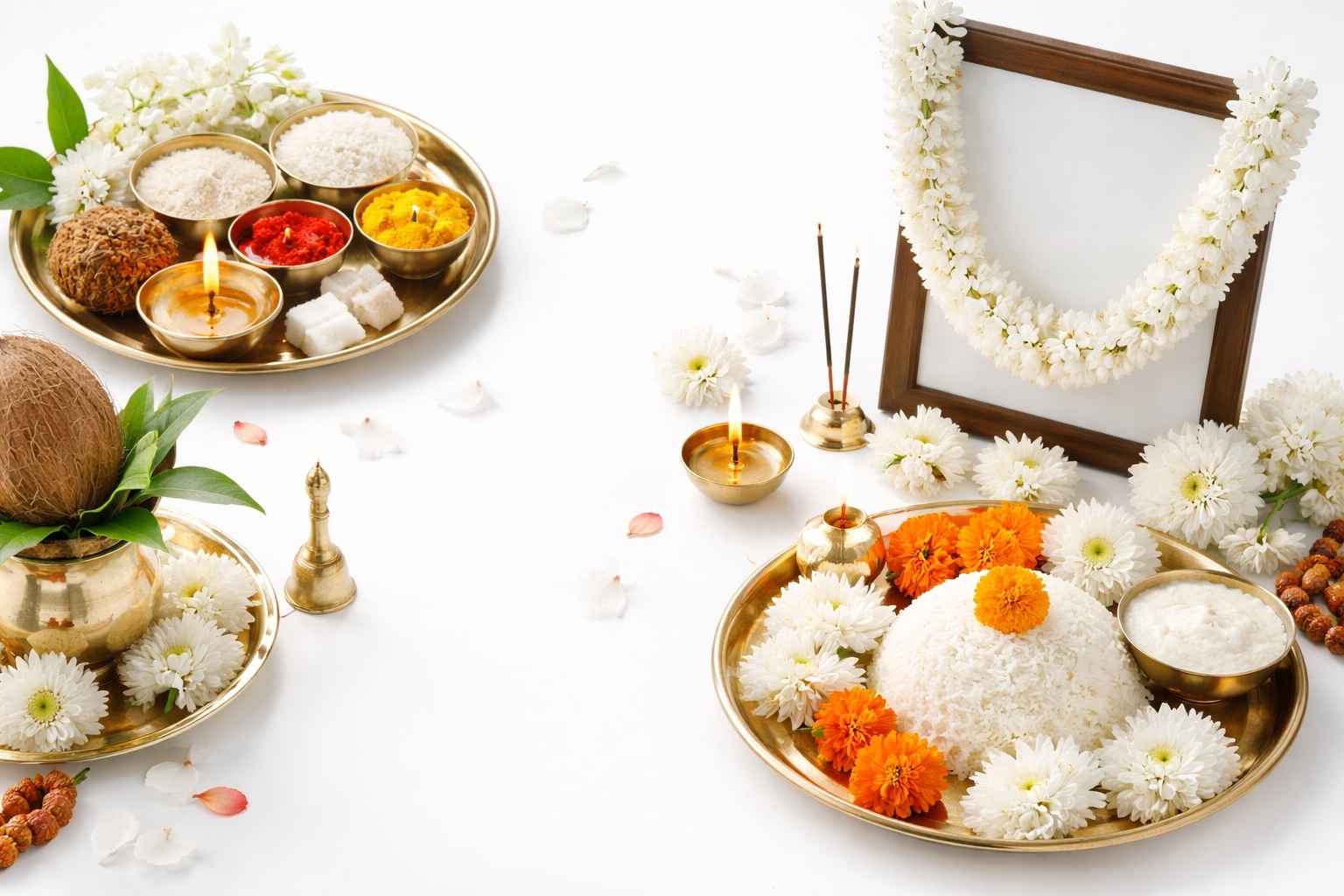
Chautha and Tehravin Rituals
Complete ritual arrangements with Importance, Process & Spiritual Meaning
Complete ritual arrangements with Importance, Process & Spiritual Meaning
Professional support across Delhi NCR
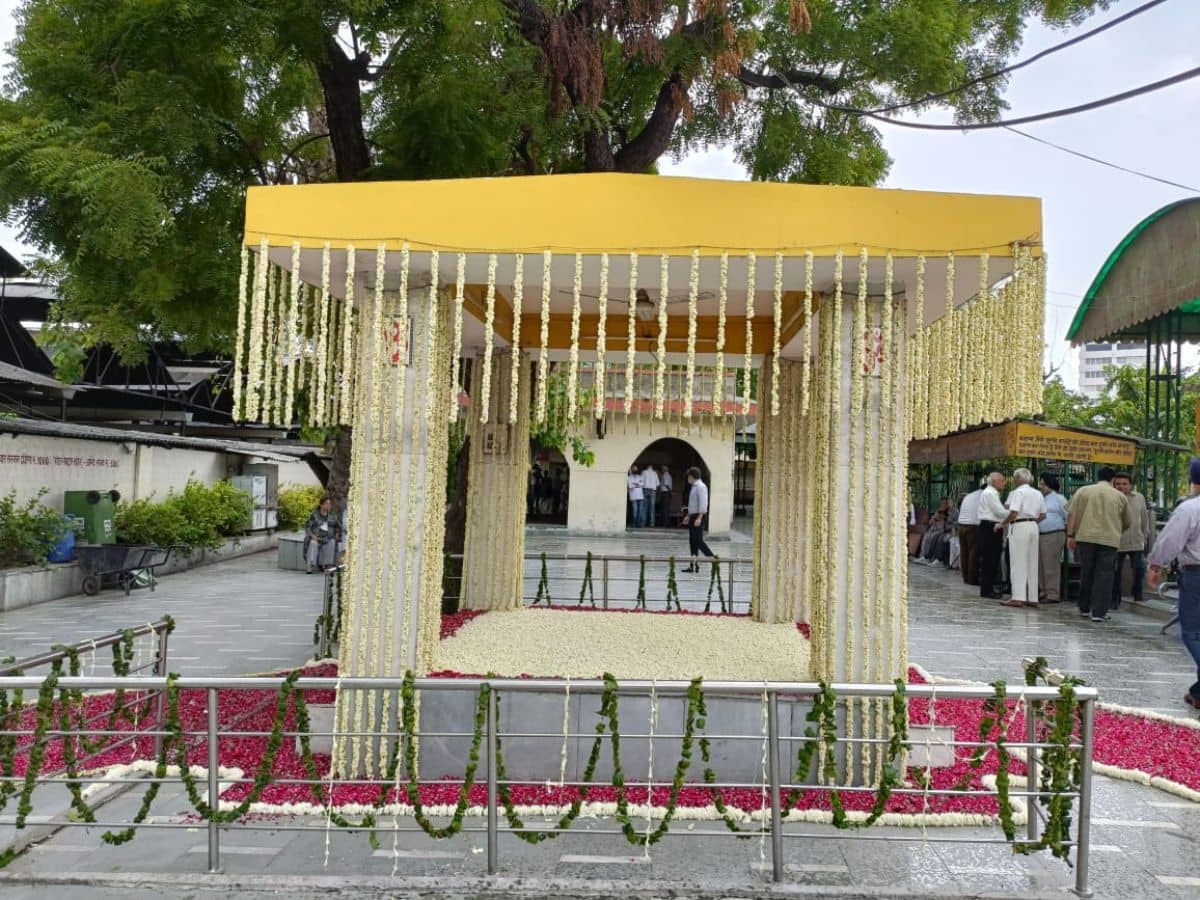
Complete arrangements at all major crematoriums

Immediate preservation support available

Safe, respectful transport across India
.png)
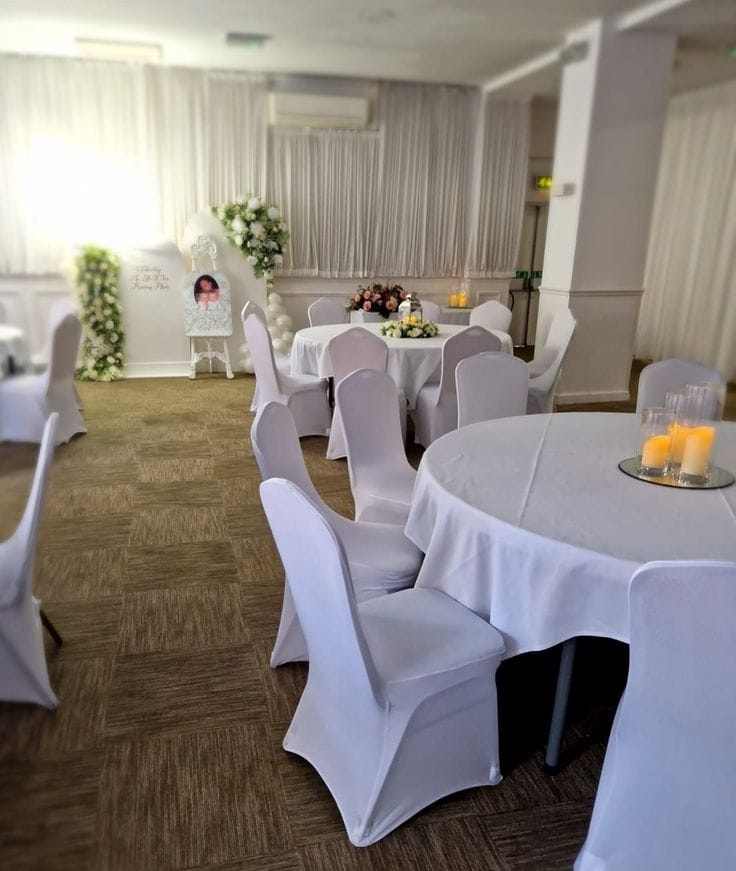
Peaceful venues for memorial services

Well-maintained vehicles for final journey

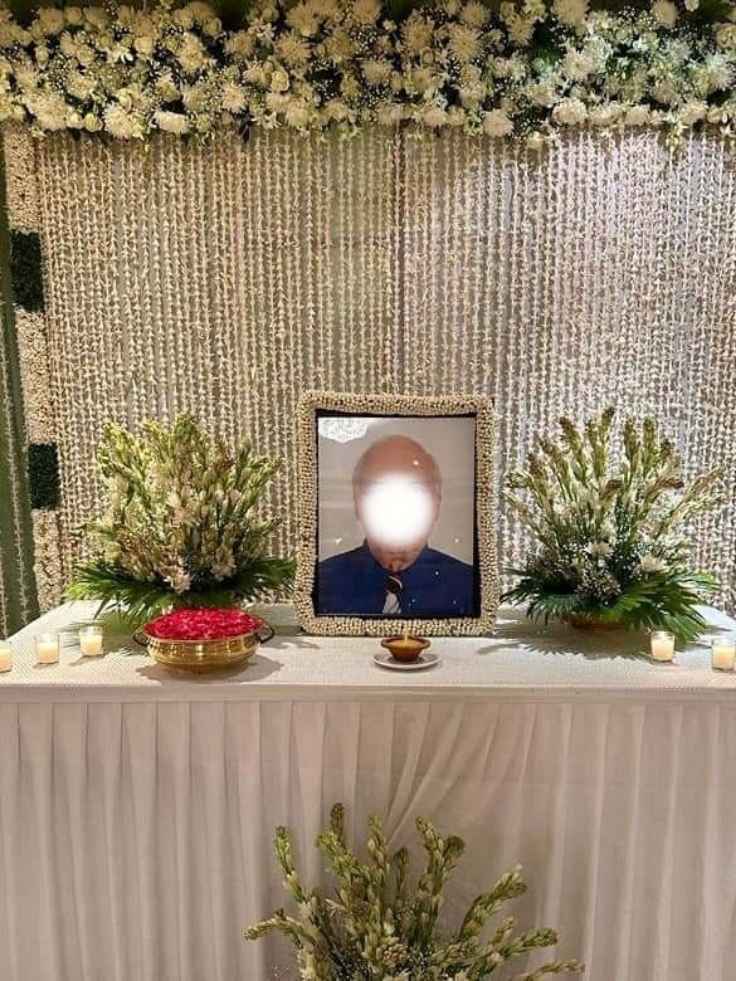
Traditional floral and ceremonial arrangements
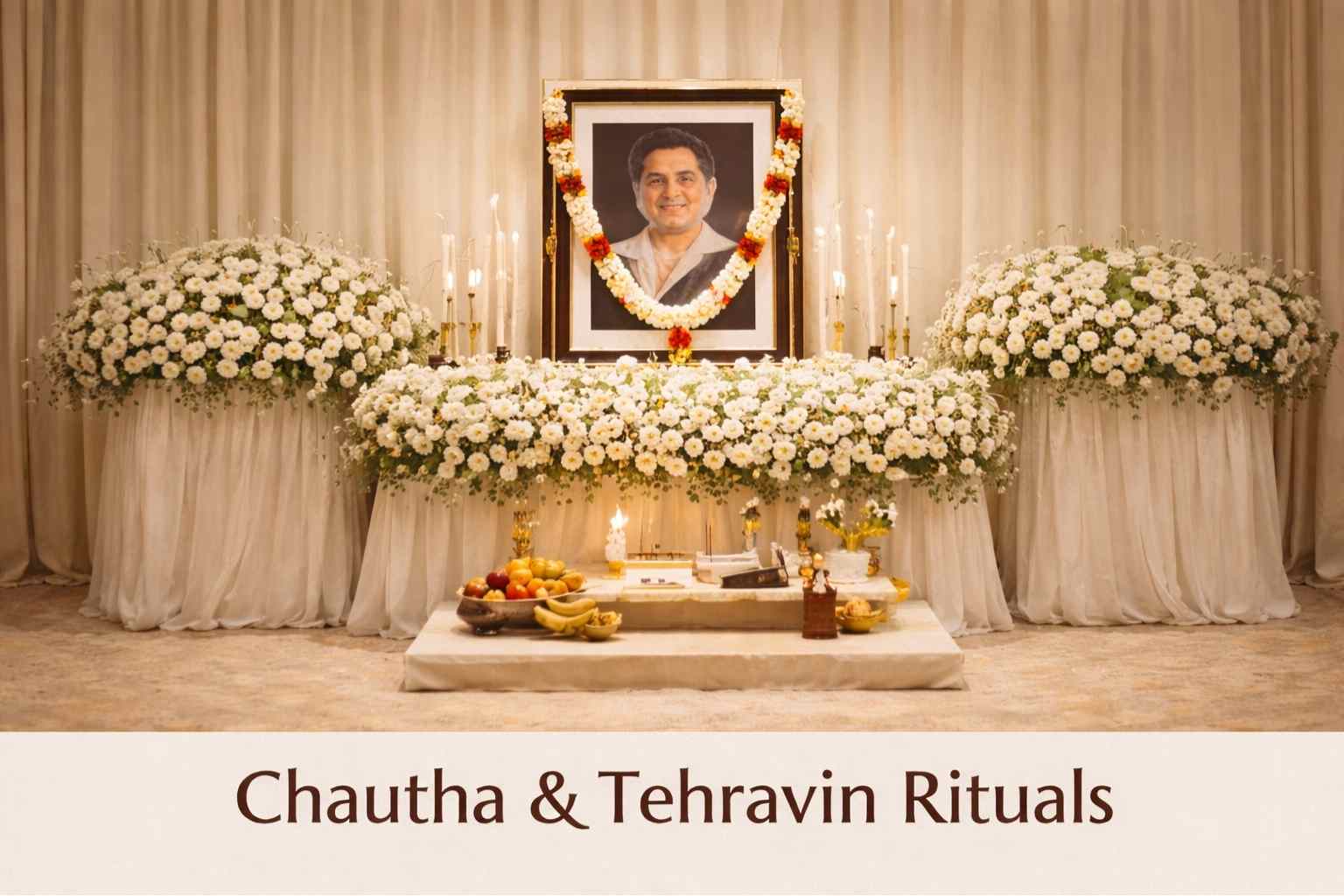
Complete ritual support and arrangements
Chautha and Tehravin rituals help Hindu families perform essential post-cremation rites with dignity, faith, and emotional balance. These sacred ceremonies allow families to honor the departed soul while gradually moving through their spiritual and emotional healing process. During a time of grief, families often seek clarity, religious guidance, and compassionate support. Last Ride Funeral provides complete assistance for Chautha and Tehravin rituals, ensuring every tradition is followed correctly and respectfully.
Chautha and Tehravin rituals in Hinduism are important post-cremation ceremonies performed after the Antim Sanskar rituals. These rites mark key milestones during the mourning period and guide families through the transition after loss.
The Chautha ceremony is performed on the fourth day after death, while the Tehravin ceremony takes place on the thirteenth day. Together, these Hindu funeral rites support the soul’s spiritual journey and help the family slowly move from deep mourning toward acceptance.
Many families ask what is Chautha ceremony and why it is performed so soon after death. Chautha takes place on the fourth day after cremation and focuses on purification, prayer, and peace for the departed soul.
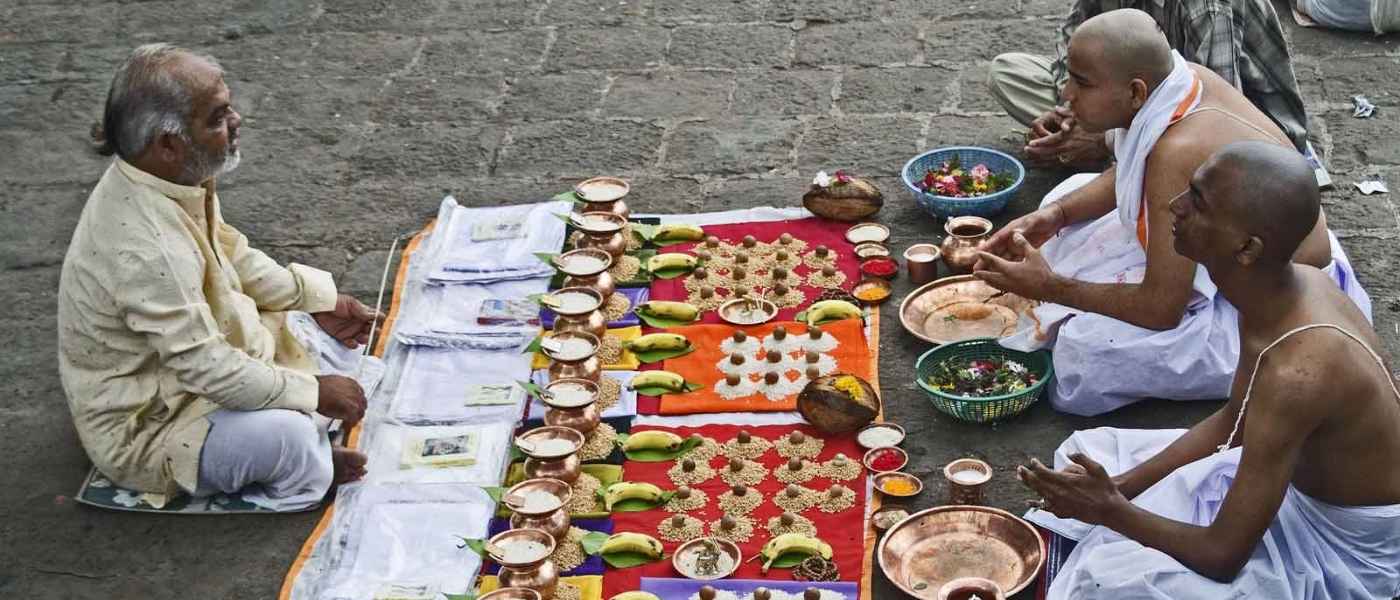
According to Hindu beliefs, death creates ritual impurity in the home. The Chautha ritual in Hinduism helps restore spiritual balance through prayers, mantra chanting, and a simple puja conducted by a pandit.
During Chautha, the family follows a disciplined and calm routine, which usually includes:
This ritual helps establish spiritual harmony and prepares the family for the days ahead.
Understanding what is Tehravin ceremony is equally important. Tehravin is performed on the thirteenth day after death. Many families ask how many days after death Tehravin is done. Traditionally, it is always observed on the 13th day, although minor regional variations may exist.
The Tehravin ritual in Hinduism marks the formal completion of the mourning period. On this day, families perform a detailed Chautha Tehravin puja and invite relatives and community members to pray together.
Although both rituals are part of Hindu post-cremation traditions, they serve different purposes.
Chautha focuses on purification and immediate prayers after death. It is usually a private ceremony attended by close family members.
Tehravin signifies the completion of mourning. It is a larger gathering that includes extended family, friends, and community members.
In simple terms, Chautha begins the healing process, while Tehravin gently brings it to closure.
Knowing how Chautha and Tehravin are performed helps families feel more confident and less anxious during an emotional time.
Chautha Ritual – Step by Step
Tehravin Ritual – Step by Step
This structured Chautha Tehravin vidhi ensures rituals are performed correctly while maintaining religious tradition.
Chautha and Tehravin after death are performed following cremation, which is part of the Antim Sanskar rituals. These post-cremation rituals in Hinduism guide the soul during its transitional phase.
According to Hindu belief, the soul remains connected to earthly bonds for several days. Performing Chautha and Tehravin after cremation helps the soul attain peace and liberation.
The Chautha Tehravin significance lies in fulfilling spiritual duties and supporting emotional healing. Hindu scriptures explain that prayers and rituals ease the soul’s journey and reduce suffering in the afterlife.
These rituals also help families process grief through faith, discipline, and community support.
During times of loss, families need guidance they can trust. Last Ride Funeral provides compassionate and professional support for all Chautha and Tehravin ceremonies.
Our services include:
Families across Delhi, Noida, Gurugram, and Ghaziabad trust us for transparent communication, cultural respect, and reliable service.
Performing the final rites of a loved one is an emotional responsibility. Chautha and Tehravin rituals play a vital role in Hindu post-cremation traditions by honoring the departed soul and helping families heal through faith and structure. With compassionate guidance from Last Ride Funeral, families can perform these rituals with dignity, clarity, and peace of mind.
1. What is Chautha in Hindu death rituals?
Chautha is a Hindu ritual performed on the fourth day after cremation. It focuses on purification, prayers, and peace for the departed soul.
2. What is Tehravin in Hindu rituals?
Tehravin is performed on the thirteenth day after death and marks the formal end of the mourning period through puja and community prayers.
3. Is Chautha compulsory in Hinduism?
Chautha is strongly recommended in most North Indian Hindu traditions, although practices may vary by region.
4. Is Tehravin done after cremation?
Yes, Tehravin is always performed after cremation as part of Hindu post-cremation rituals.
5. Who attends Chautha and Tehravin ceremonies?
Chautha is usually attended by close family members, while Tehravin includes extended family, friends, and community members.
Last Ride Funeral supported us during the Chautha and Tehravin rituals for our mother with great sensitivity. The pandit ji explained every step clearly and ensured all traditions were followed properly. Their calm and respectful approach gave us peace during a very difficult time.
We were worried about arranging Tehravin rituals correctly, but the Last Ride team handled everything smoothly. From pandit coordination to puja samagri, everything was well organized and transparent. Their guidance helped our family focus on prayers rather than logistics.
The Chautha ceremony was conducted with complete dignity and respect. The team arrived on time, the pandit was very knowledgeable, and all rituals were performed as per Hindu traditions. We are truly thankful to Last Ride Funeral for their compassionate support.
Last Ride Funeral Services provides comprehensive international dead body repatriation and Chautha and Tehravin Rituals worldwide. We handle all documentation, customs clearance, and coordination with international authorities to bring your loved ones home or arrange rituals abroad.










People at Tehravin ceremonies eat a basic vegetarian meal, which follows traditional customs. The food that people prepare for the ritual remembrance process includes no onion or garlic, and they present it after completing their prayers.
Chautha and Tehravin should take place on different days according to traditional practices. Families have the option to merge or change their rituals when they face special situations after they receive guidance from an experienced pandit.
Last Ride Funeral provides complete Chautha Tehravin services throughout the Delhi NCR region, which includes Delhi, Noida, Gurugram, and Ghaziabad. We manage all aspects of the ceremony, which includes pandit coordination, ritual materials and the ceremony setup.
We provide qualified pandit services to perform Chautha and Tehravin rituals in Delhi, Noida, Gurugram, and Ghaziabad according to traditional Hindu practices.
For Chautha Tehravin booking in Delhi NCR, you should contact Last Ride Funeral. Our team handles all aspects of the process, which includes puja setup and pandit services, and we provide complete guidance.